
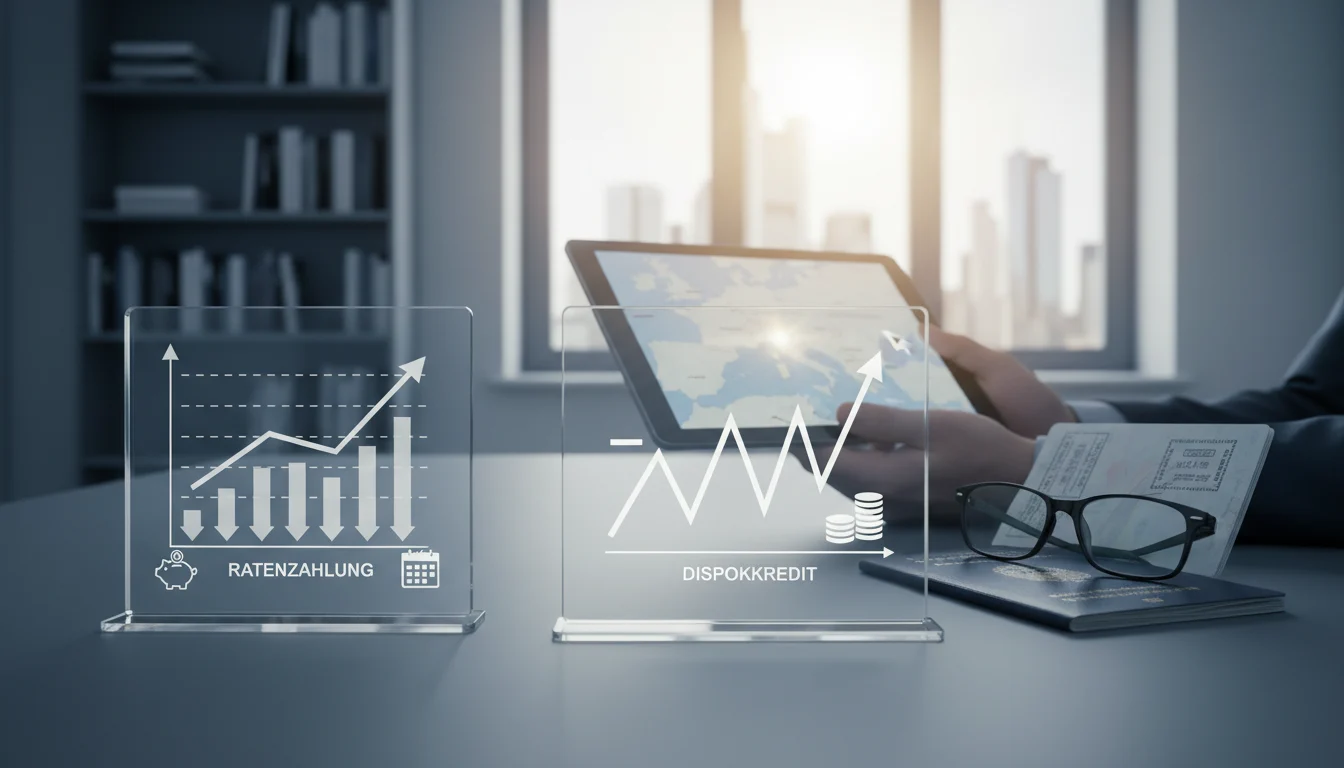
Arriving in a new country like Germany often means encountering a new set of financial terms. While many expats find their feet quickly, understanding the nuances of local financial instruments is crucial for smooth integration. Two common terms you’ll likely encounter are Ratenzahlung and Dispokredit. While both relate to managing payments and access to funds, they serve very different purposes. Let’s break them down to help you navigate your financial life in Germany with greater confidence.
What is Ratenzahlung?
Ratenzahlung, literally translating to ‘installment payment’, is a fundamental concept in German consumer finance. It refers to the practice of paying for a purchase or a debt over a period of time in regular, fixed installments, rather than a single lump sum. This is a widely accepted and common method for financing larger purchases, from electronics and furniture to vehicles and even significant home improvements.
Key Characteristics of Ratenzahlung:
- Fixed Installments: Each payment is typically the same amount, making budgeting easier.
- Defined Term: The loan or payment plan has a set duration (e.g., 12, 24, or 48 months).
- Interest: Usually, interest is charged on the outstanding balance, which is factored into the installment amount. The annual percentage rate (APR), known as Jahreszins, is a key figure to look for.
- Repayment Schedule: You will receive a clear schedule outlining when each installment is due.
- Common Use Cases: Widely used for consumer goods, electronics, appliances, vehicles, and sometimes even for consolidating existing debts.
Ratenzahlung vs. Single Payment
The primary advantage of Ratenzahlung is that it makes larger purchases accessible without depleting immediate savings. Instead of saving up for months or years, you can acquire goods and services sooner. This often translates to a personal loan in Germany, where you borrow a fixed sum and repay it with interest over time. For expats looking to finance a specific, significant purchase, a structured Ratenzahlung plan or a personal loan can be an excellent option. You can explore personal loans in Germany to understand the possibilities.
What is Dispokredit?
The Dispokredit, commonly referred to as the ‘dispo’ or overdraft facility, is a flexible credit line linked directly to your current account (Girokonto). It allows you to overdraw your account up to a pre-agreed limit, providing a safety net for unexpected expenses or temporary shortfalls in funds. Think of it as a readily available emergency fund, built into your primary bank account.
Key Characteristics of Dispokredit:
- Flexibility: You can draw from it and repay it as needed, without a fixed repayment schedule.
- High Interest Rates: This convenience comes at a cost. Dispokredit typically carries significantly higher interest rates compared to installment loans. These rates can fluctuate and are often charged daily on the amount overdrawn.
- Pre-approved Limit: Your bank sets a maximum amount you can overdraw, based on your income and creditworthiness.
- Automatic Operation: Funds are usually available immediately if you overdraw your account. Repayments are often made automatically when money comes into your account.
- Not for Long-Term Financing: Due to the high interest rates, the Dispokredit is generally not recommended for long-term borrowing or financing large purchases. It’s best suited for short-term cash flow management.
The Dispokredit: A Double-Edged Sword
The Dispokredit offers unparalleled flexibility. For expats who might experience unexpected costs during their initial settlement phase – perhaps a last-minute flight, urgent repair, or a delay in salary payment – the ‘dispo’ can be a lifesaver. However, it’s a tool that must be used with extreme caution. Relying on it for extended periods can lead to rapidly accumulating interest charges, potentially putting you in a deeper financial hole. It’s crucial to be aware of the interest rate (Sollzins) and to aim to clear any overdraft as quickly as possible.
Ratenzahlung vs. Dispokredit: When to Use Which?
Understanding the distinct roles of Ratenzahlung and Dispokredit is key to responsible financial management in Germany:
- Use Ratenzahlung (or a personal loan) for:
- Financing significant, planned purchases (e.g., a car, major appliance, furniture).
- Spreading the cost of a known expense over a manageable period.
- When you need a predictable repayment structure and are seeking a lower interest rate for longer-term borrowing.
- Use Dispokredit (overdraft) for:
- Covering temporary, short-term cash flow gaps.
- Handling unexpected, immediate expenses that cannot wait for a loan to be approved.
- When you can repay the borrowed amount very quickly (ideally within a few days or weeks) to minimize interest costs.
A Note on Creditworthiness
Both Ratenzahlung (as part of a loan) and Dispokredit require a certain level of creditworthiness (Bonität) in Germany. Banks and lenders will assess your income, employment status, and existing financial obligations. For new expats, building a positive credit history is an important step. While this guide provides information, it is not financial advice. It’s always wise to consult with a financial advisor or your bank to understand which option best suits your personal circumstances and German financial products.
Beyond the Basics: Other German Financial Terms
While Ratenzahlung and Dispokredit are fundamental, familiarizing yourself with other German financial terms will smooth your transition. Key among these are:
- Kreditkarte: Credit card. While widely accepted globally, their usage and features can differ in Germany.
- Girokonto: Current account or checking account, essential for daily banking and where your salary is typically paid.
- Schufa-Auskunft: A credit report from Germany’s primary credit bureau (Schufa Holding AG). This is a critical document checked by landlords and lenders.
- Kreditwürdigkeit / Bonität: Creditworthiness or credit standing. A good score is vital for accessing loans and favourable terms.
Conclusion
Understanding terms like Ratenzahlung and Dispokredit removes a significant barrier for expats settling in Germany. By recognizing when each is appropriate – structured repayment for planned purchases versus a flexible lifeline for short-term needs – you can make more informed financial decisions. This clarity helps in managing your budget effectively and avoiding the pitfalls of high-interest debt.
For expats seeking specific financial solutions in Germany, exploring different loan options is a common step. You can find more information on navigating the German financial landscape and available financing at LoanExpat Germany, and a broader overview of various financial products at our Loan Types hub.
Should you need to compare specific loan products or understand offerings for other European countries, please refer to our country-specific guides for detailed information.
LoanExpat may receive compensation from partners when you click or apply through links on this page. This does not affect our editorial content. LoanExpat does not provide financial advice.